A friend tells you that the price of a particular cryptocurrency has doubled. You open an account with an exchange and watch a few videos and feel a sudden urge to invest. But there’s a problem. It’s possible to understand the price change without fully comprehending the product you’re buying as well as the way technology operates or the implications of a malfunction.
The training in cryptocurrency must be completed prior to any real funds are invested. Coin Course Coin Course offers educational resources on blockchain fundamentals including cryptocurrency wallets, decentralized finance NFTs and security as well as trading concepts. It is best to learn these topics in the order that is most pertinent for novices.
Start with the transaction and not the price chart.
A thorough tutorial on cryptography will clarify the purpose of cryptocurrency. Bitcoin is a good example can allow value to transfer across its network and without the need of a traditional banking institution to maintain a transaction ledger. Ethereum allows digital assets to be used and applications that make use of smart contracts that can be programmed.
It is not easy for any technology to understand simply by watching its price on the market. Begin by learning how wallet addresses function and the reasons why network verification is required for transactions, and what differentiates cryptocurrencies from the money you can find in a bank. These basics help to explain the advantages and drawbacks of digital assets.
Make sure to follow one transaction on the blockchain
When technical concepts are connected with everyday actions, they are easier to understand. Imagine that you are able to transfer cryptocurrency from your wallet to someone else. Your wallet initiates a transaction that is then approved by your private key. The transaction gets sent to the network, and then checked against the standards. It’s then included in the Blockchain.
This process can be demonstrated in a real-world blockchain tutorial, using an application called a block-explorer that allows users to look up transaction details and verify the status.
This exercise also introduces one of the most important security lessons: blockchain transfers generally cannot be cancelled because the sender used an address that is not correct. Knowing how wallets work can make it more convenient to utilize.
Learn to Protect Your Assets Before attempting to explore DeFi
A lot of beginners are focused on finding profitable investments while overlooking basic wallet security. Your private key gives you access to your cryptocurrency. A recovery phrase allows someone to restore an compatible wallet, and even access its assets.
If you share this phrase your assets may be in danger. Blockchain guides that are useful should clarify the differences between custodial exchanges, software wallets, and hardware wallets.
It is also important to be aware of fraudulent transactions with wallets, as well as the risk of accepting smart contract permissions without knowing about the implications of. These lessons are especially relevant when examining decentralized finance, in which users interact directly with apps instead of using traditional intermediaries.
How do you trade crypto Easily Without Distinguishing Activity from Progress
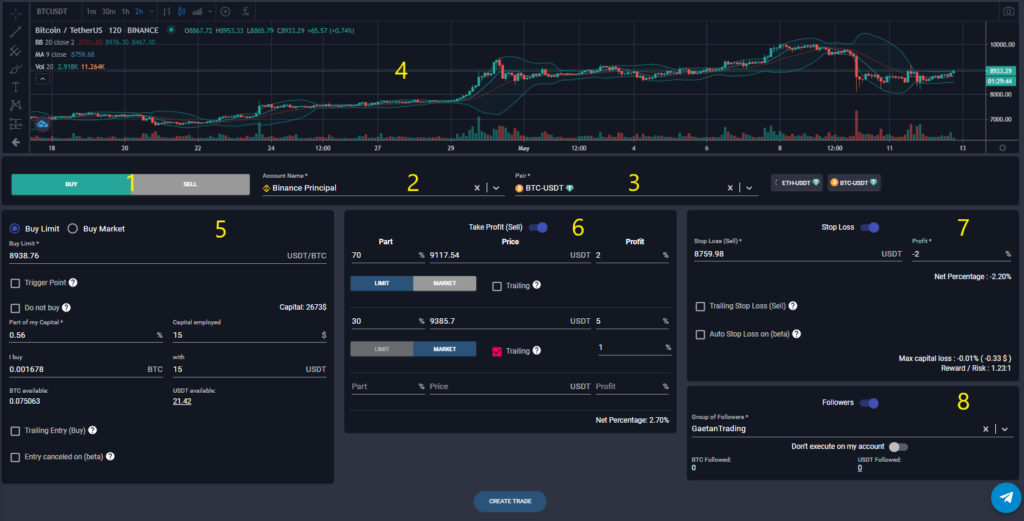
People who want to learn crypto trading often begin with candlestick patterns and technical indicators. They have their place but shouldn’t replace the need to understand risk. Before making a purchase, consider the amount of capital you can be willing to risk, what would invalidate your trading idea and how transaction charges impact your performance.
Market orders are geared toward immediate execution. While a limit order lets you define a price, though execution isn’t guaranteed. Leverage is a risky strategy since even minor price changes could result in significant losses.
Beginning traders should learn to analyse market trends and record their scenarios before putting in real money. The journal helps determine whether the decisions are based on an organized strategy or react to fear and excitement.
Explore the more complex topics and answer better Questions
When the basics are understood topics like DeFi, staking NFTs, DeFi, and smart contracts become easier to evaluate. To ask how much DeFi platforms will pay not the most effective approach. Instead, consider where the returns come from and what the users will take on.
When looking at NFTs when studying NFTs, you must distinguish ownership of the token from ownership of the artwork or intellectual property rights.
Understanding the concept of staking rewards can determine if they’re a form of compensation for the participants who are helping secure a system or if the rewards come from arranging another financial arrangement. The Coin Course combines these topics along with a wider understanding of cryptocurrency to provide readers with knowledge about various areas.
Develop a solid foundation of knowledge that lasts longer than market Trends
Prices of cryptocurrency are continuously fluctuating, but an understanding of the basics is useful. Understanding the blockchain transaction as well as trading mechanics, wallet security, and decentralized applications helps you assess new ventures without relying solely on marketing claims.
Don’t rush into learning everything. Begin with a single concept, practice the concepts you’ve learned, then move to more advanced subjects when the basics make sense. It’s not about becoming an expert overnight. It is important to be aware of the cryptocurrency market to be able ask better questions and spot risks.