For one buyer, the appeal of the wig’s shade is offset by a cap that causes discomfort after hours of use. A second wearer likes the realistic hairline, yet would rather avoid twenty minutes of lace adjustments each morning. The wig looks beautiful, but a different buyer finds the hair density heavier than expected once it is worn.
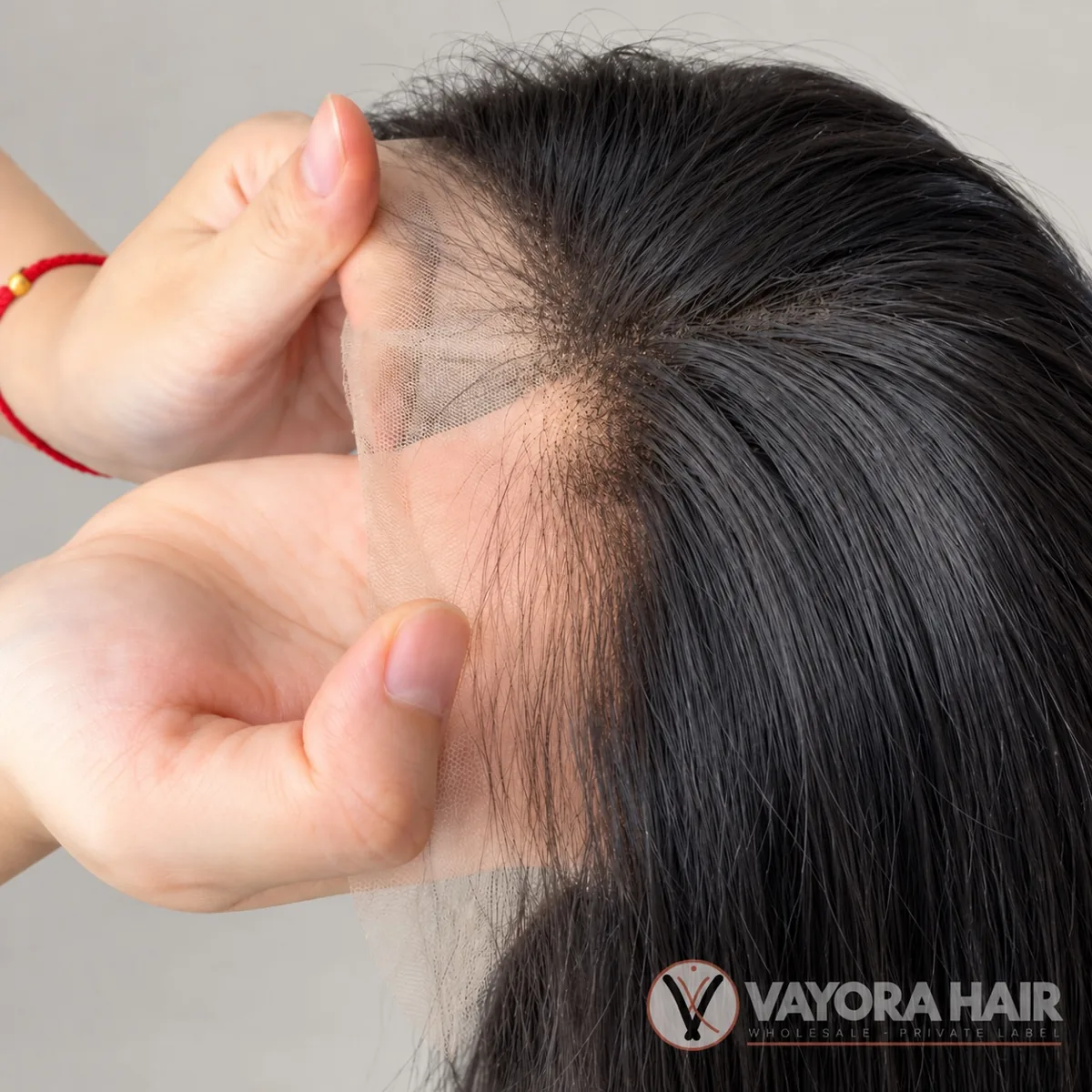
Image credit: vayorahair.com
For a wig brand, these comments are more than customer feedback. They reveal opportunities to develop products people will genuinely enjoy wearing.
The latest trending hairstyle is not necessarily the foundation of a successful wig collection. What matters is recognizing what customers want to get out of the experience when they wear a wig.
Explore the Problems Behind the Purchase
Buyers seldom use production terminology to explain what they need. The language customers use reflects practical priorities: comfort, convenience, appearance, and confidence. A glueless design could be one response to feedback about making mornings easier. If customers say the hairline looks unnatural, the team may need to review lace appearance and knot treatment, along with density or parting design.
The human hair wig manufacturer China brands select should turn such everyday feedback into measurable specifications.
Length and texture alone need not define the entire order. Buyers can also specify the intended wearing experience, cap fit, lace construction, hairline appearance, and finished weight. That level of detail gives the development team a clearer target.
Making a Distinction With Your Private Label Wig Range
Many emerging wig brands make the mistake of building their catalogs around whatever products are currently popular. Such an approach can leave the brand with a collection that is difficult to distinguish from competitors’ offerings.
Choosing a private label wig manufacturer China retailers can work closely with gives brands an opportunity to develop a more consistent product identity. That might mean creating a lightweight everyday collection, a premium natural-hairline range, or ready-to-wear wigs designed for customers who prefer minimal preparation. To keep the collection cohesive, align texture, length, color, density, cap construction, and packaging with one customer promise. When a range has a recognizable identity, customers have a reason to return that is not limited to temporary savings.
Glueless Wigs Go Beyond a Name
The simple description “glueless” does not capture the structural features that determine the wearing experience. Everything from the size of the cap and adjustment features to attachment components, lace preparation, and hairline design influences how securely and comfortably the unit fits.
Defining the construction criteria before production is something a glueless wig manufacturer China buyers work with should assist with. An easy-to-manage density, pre-cut lace, and simple adjustment features may be particularly important when the intended customers are first-time wig wearers. The customization needs for a professional stylist’s collection may be different. One approach is not necessarily better than the other. The two approaches address the needs of different customer groups.
Sampling Protects the Brand’s Reputation
There are aspects of a wig that cannot be assessed from a product photograph alone. Does the cap fit properly? What is the hair movement like? Buyers also need to check whether the color meets expectations and the finished construction matches the approved design. The sample stage creates an opportunity to identify discrepancies ahead of a higher-volume purchase.
For a wholesale human hair wigs supplier, documented specifications and quality-control procedures are especially important when the same style must be produced repeatedly. The success of the first batch may be challenging to replicate without clear references.
Develop a Wig Collection Designed for Growth
VAYORA supports B2B wig brands, retailers, and distributors through product development, private label services, sampling, specification control, and repeat-production workflows. The approach connects customer expectations to the physical features that influence the wig’s appearance, fit, and feel.
A catalog expansion should follow a thoughtful assessment of customer feedback, identification of the strongest product opportunities, and establishment of well-defined approval standards. The next successful collection may not require more styles. It may require fewer compromises in the styles customers already want.