A tortilla can look surprisingly modest on the plate. Once the filling goes in, the foldable wrap itself can be easy to overlook. Yet choosing the right wrap can produce a meaningful difference to the nutritional balance of a dish.
Comparing tortilla calories involves more consideration than finding the lowest energy figure. A useful comparison also asks whether the tortilla provides the nutritional profile and texture you want and works with your usual meals.
Comparing Wrap Calories: Why the Numbers Differ
A quick search for “calories wrap tortilla” often brings up products with widely different nutritional values. Consider the figures for Mission wraps: its Wholemeal Wrap has approximately 186 calories per wrap, compared with around 125 calories for Carb Balance. Both numbers are drawn from the manufacturer’s published nutrition details.
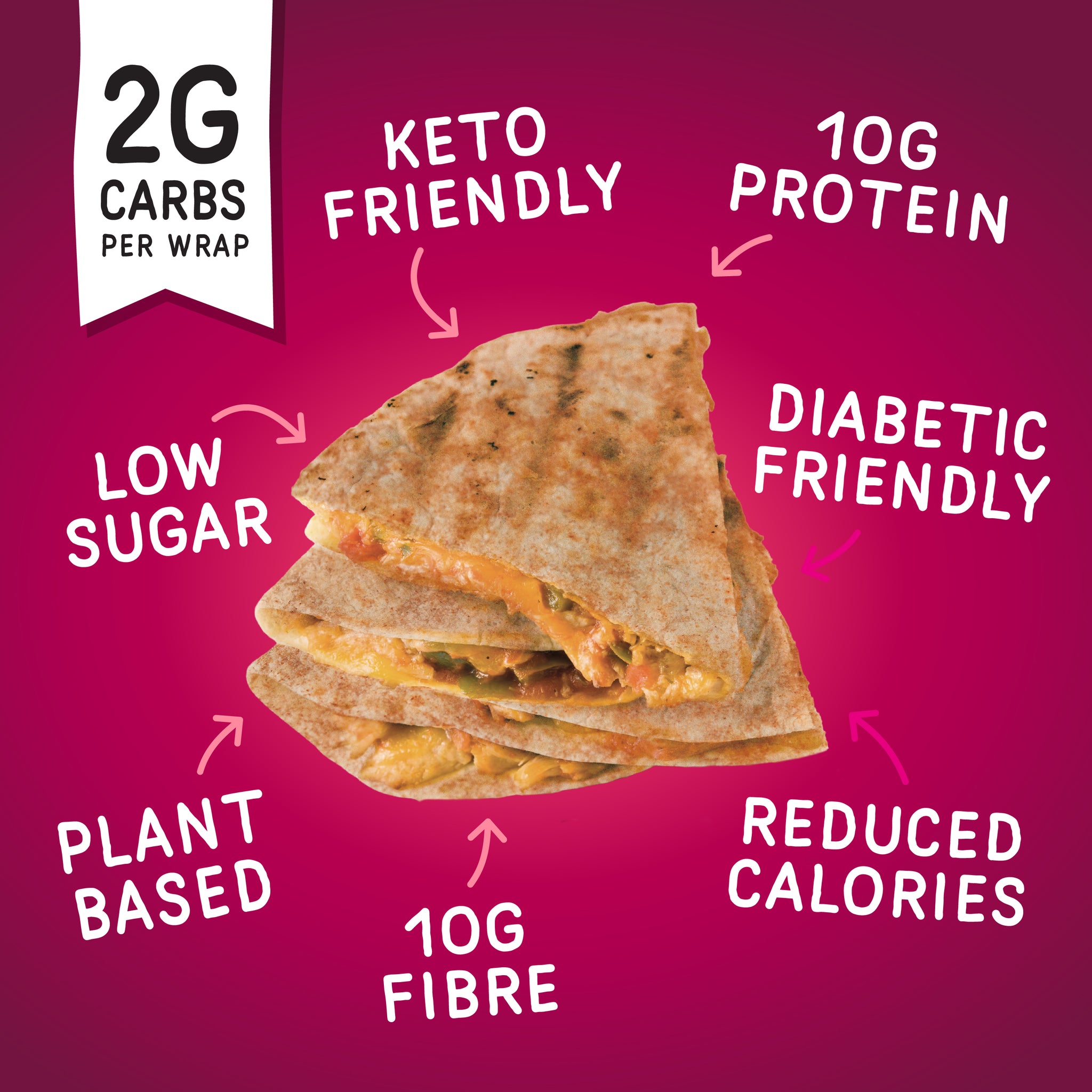
Image credit: fitbakes.co.uk
That difference illustrates why checking individual products matters. Because wraps differ in formulation and nutritional content, you cannot judge their calorie content just by looking at them. Lower carbohydrate content and lower calorie content should not be treated as interchangeable.
What Happens When You Change the Wrap?
Your usual wrap might contain cooked grilled chicken, roasted peppers, fresh salad leaves, and a spoonful of yoghurt dressing. Keep the sandwich filling but choose a lower-carb wrap in place of the conventional one. You still have essentially the same lunch, although its nutrition figures is different.
Fitbakes Wholegrain Wraps are formulated for this sort of meal flexibility. According to Fitbakes, each wrap contains 2g carbohydrates alongside 10g protein and 10g fibre.
These figures make the product relevant to people who are managing carbohydrate intake while still enjoying bread-based meals. The exact calorie content should be checked against the item’s full nutritional label.
Why Protein and Fibre Both Matter
Food labels often highlight protein and fibre side by side, although they have different functions of nutrition. Normal tissue maintenance and repair are supported by protein. Fibre contributes to digestive health and can be useful to make meals feel more substantial. Because Fitbakes reports 10g protein and 10g fibre in each wrap, both nutrients deserve attention in a comparison.
Of course, the tortilla is only one part of the meal. Vegetables and a suitable protein source produce a different meal from a wrap filled with rich dressings.
Tortilla Preparation: Small Choices Matter
The way you cook a tortilla may change the finished lunch’s calorie total even if you do not change the product. Toasting without oil avoids added cooking fat, while frying a tortilla in oil contributes extra calories. The manufacturer recommends around 30 seconds of light toasting for its wholegrain wraps to bring out a deeper malty note.
Warm the flatbread, then add spinach, grilled mushrooms, and some cheese for an uncomplicated meal. Alternatively, use it as a thin flatbread topped with tomato, herbs, and roasted vegetables. Neither idea demands complicated techniques, yet both provide variety.
Don’t Forget the Rest of Your Lunch
It’s easy to spend time comparing tortilla labels while overlooking what goes into the wrap.
The calorie count of a serving also reflects the spreads, cheese, dressings, and cooking fats you use. For anyone tracking calories, it makes more sense to look at the complete meal than to focus on the flatbread alone.
People eating fewer carbohydrates should also look at the filling’s carbohydrate content. Considering both the wrap and its filling provides a fuller view for your food choices.
Choose a flatbread wrap for Your Own Needs
A useful calories wrap tortilla should work with your favourite recipes, suit your nutritional priorities, and be something you actually enjoy. For those seeking a plant-based, lower-carb alternative, Fitbakes Wholegrain Wraps come with company-published protein and fibre values.
Check the serving size, allergen details, ingredient list, and full nutritional information before deciding. The tortilla showing the lowest number on the packet is not necessarily the most useful choice. A better choice is a tortilla that makes it easier to make meals you can enjoy regularly.